Is the sea really silent?
Join an interactive journey into the deep sea. Discover why sound is important and how human activity affect marine mammal communication
Scientific Advisor: Yaly Mevorach
To better understand the ocean, let’s dive in and simply listen…
About half of the oxygen we breathe is produced in the oceans
When we think about communication, we tend to think first of sight - eyes, glances, body language. But beneath the surface, the rules change completely…
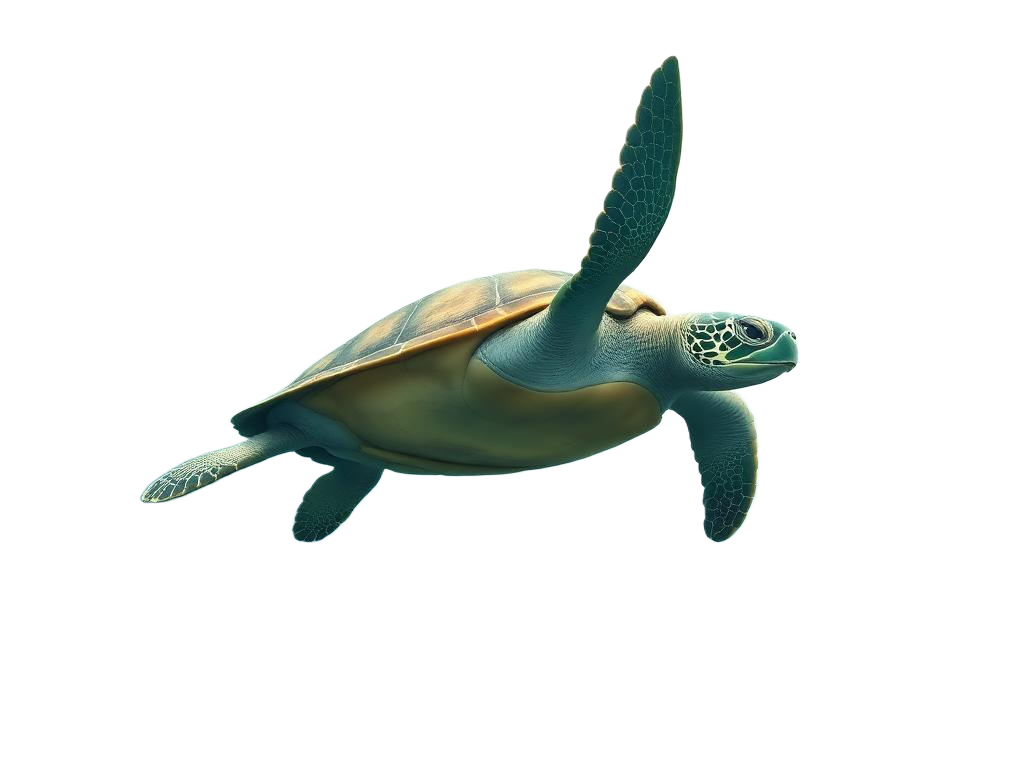
At this depth, the water acts as a kind of light filter, and colors disappear one by one according to their wavelengths. Red is the first color to disappear.
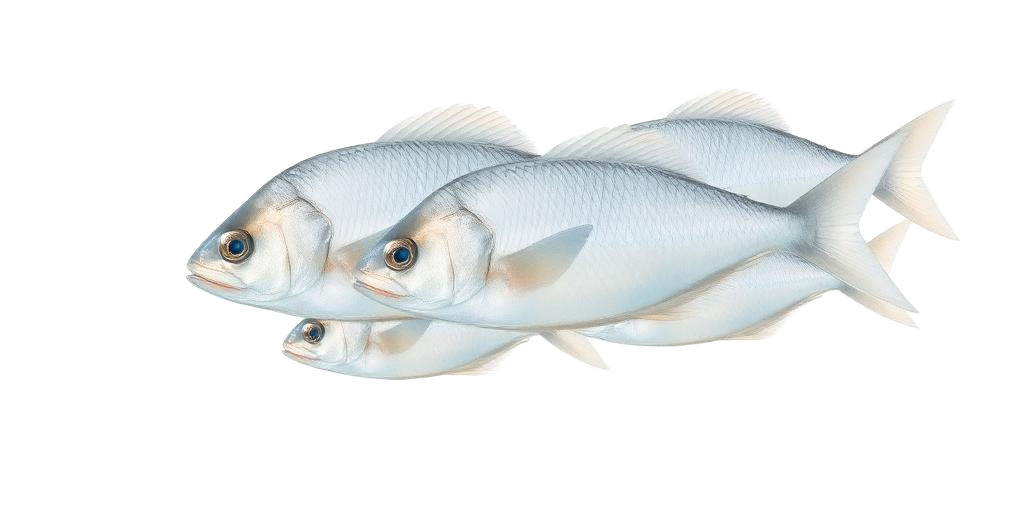
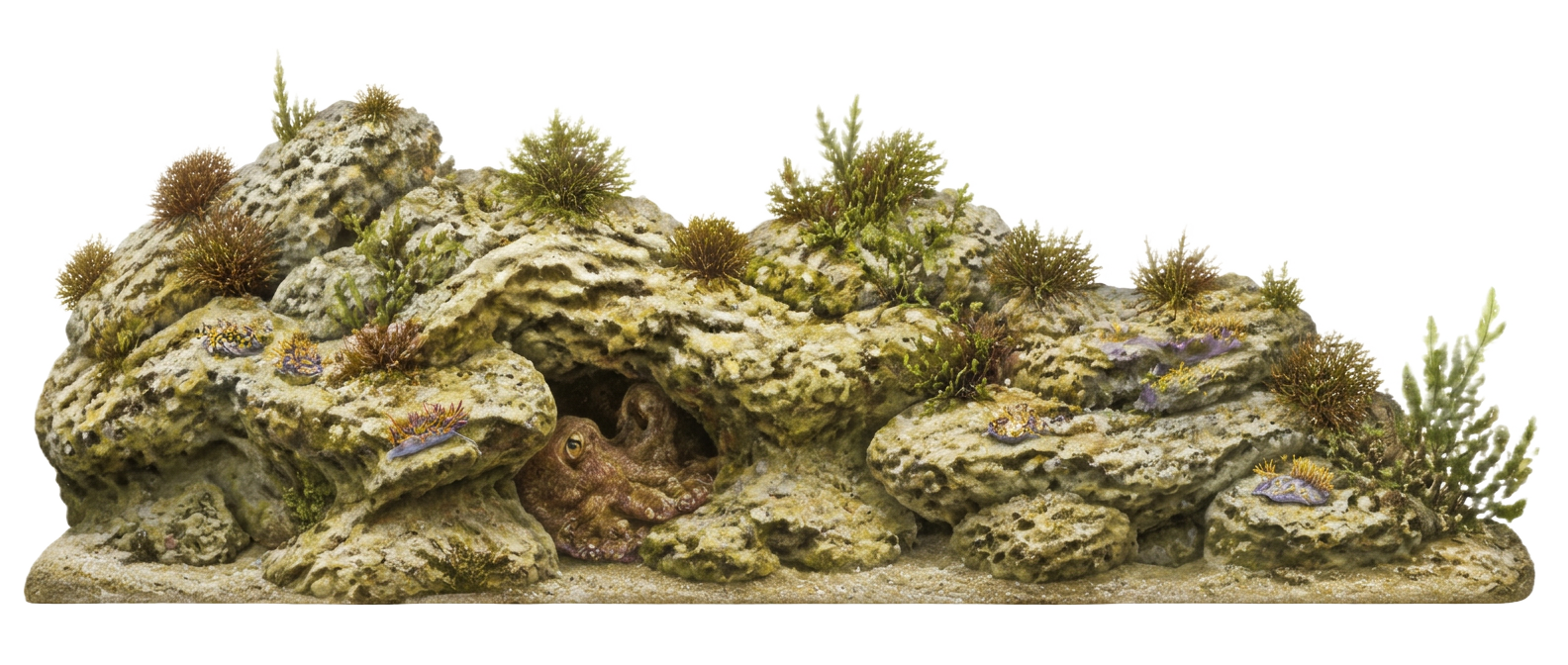
Now the orange and yellow light are gradually fading away as well. In about another ten meters, the green light will disappear too, leaving only shades of blue.
At this depth, the amount of light is only about 30% of the light available at the surface.
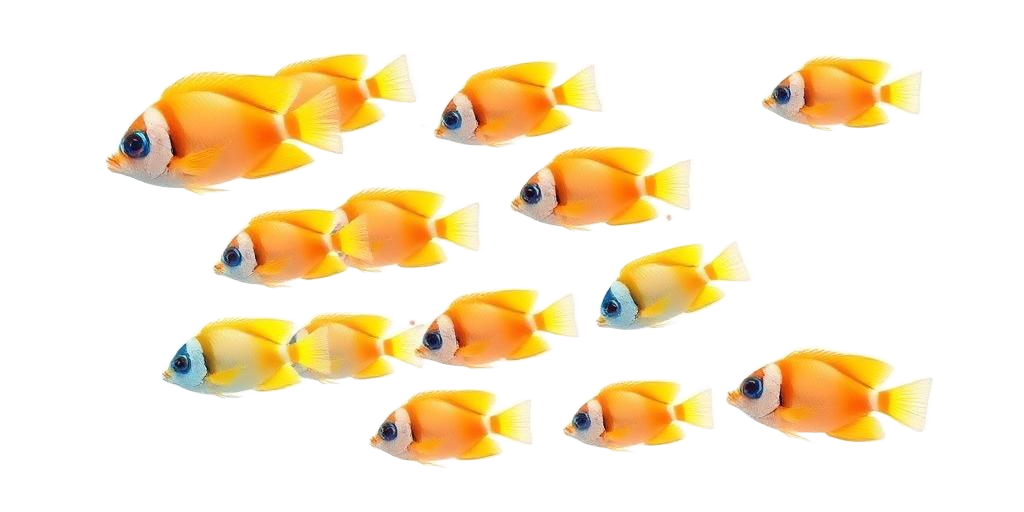
Sound waves travel through water about four times faster than through air (around 1,500 meters per second, compared with about 340 meters per second in air) and lose much less of their intensity as they travel.
The result: Sound can travel vast distances through water - sometimes hundreds or even thousands of kilometers.
Marine explorer and conservationist Jacques-Yves Cousteau
Click on him to hear what he has to say
Mediterranean Monk Seal
Click on her to hear what one of the world’s rarest mammals has to say
How do dolphins communicate with each other? Through whistles
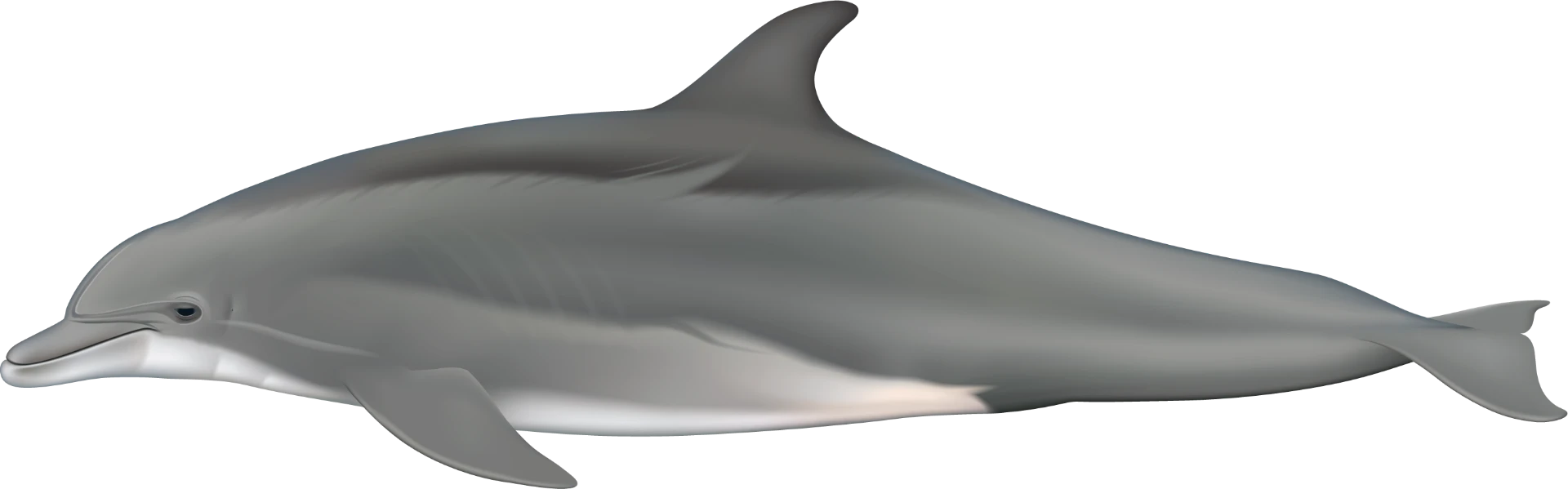
We can recognize a friend by their voice, but can we identify a dolphin by its whistle? The answer is yes! Researchers at the University of Haifa analyzed 940 whistles produced by dolphin species living off the coast of Israel and found a way to distinguish between species based on the shape of their whistles. Amazing, isn’t it?
Hooks nursing her fourth calf off the coast of Ashdod, December 2023
Photo: Dr. Aviad Scheinin, Delphis
At the age of three, the young dolphin leaves its mother and begins life on its own
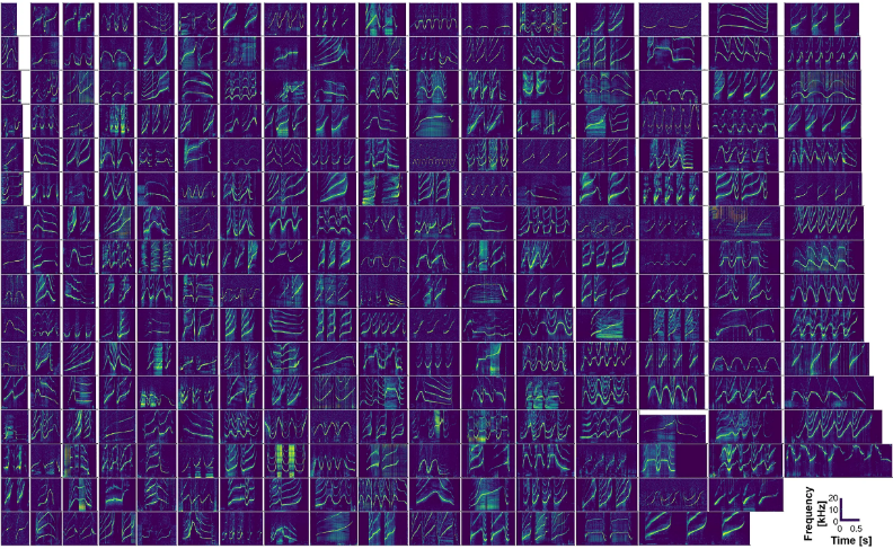
Here you can explore the signature whistle database of the world’s most extensively studied bottlenose dolphin population
Courtesy of The Sarasota Dolphin Project
Common Dolphin
Click on it to hear what it has to say
The unique communication systems of cetaceans are based on whistles, songs, or distinctive sequences of clicks, and often reflect some form of social structure - such as a dialect unique to a particular population or pod. Beyond communication, whales and dolphins also use sound waves to find food and navigate their surroundings through a mechanism called echolocation.
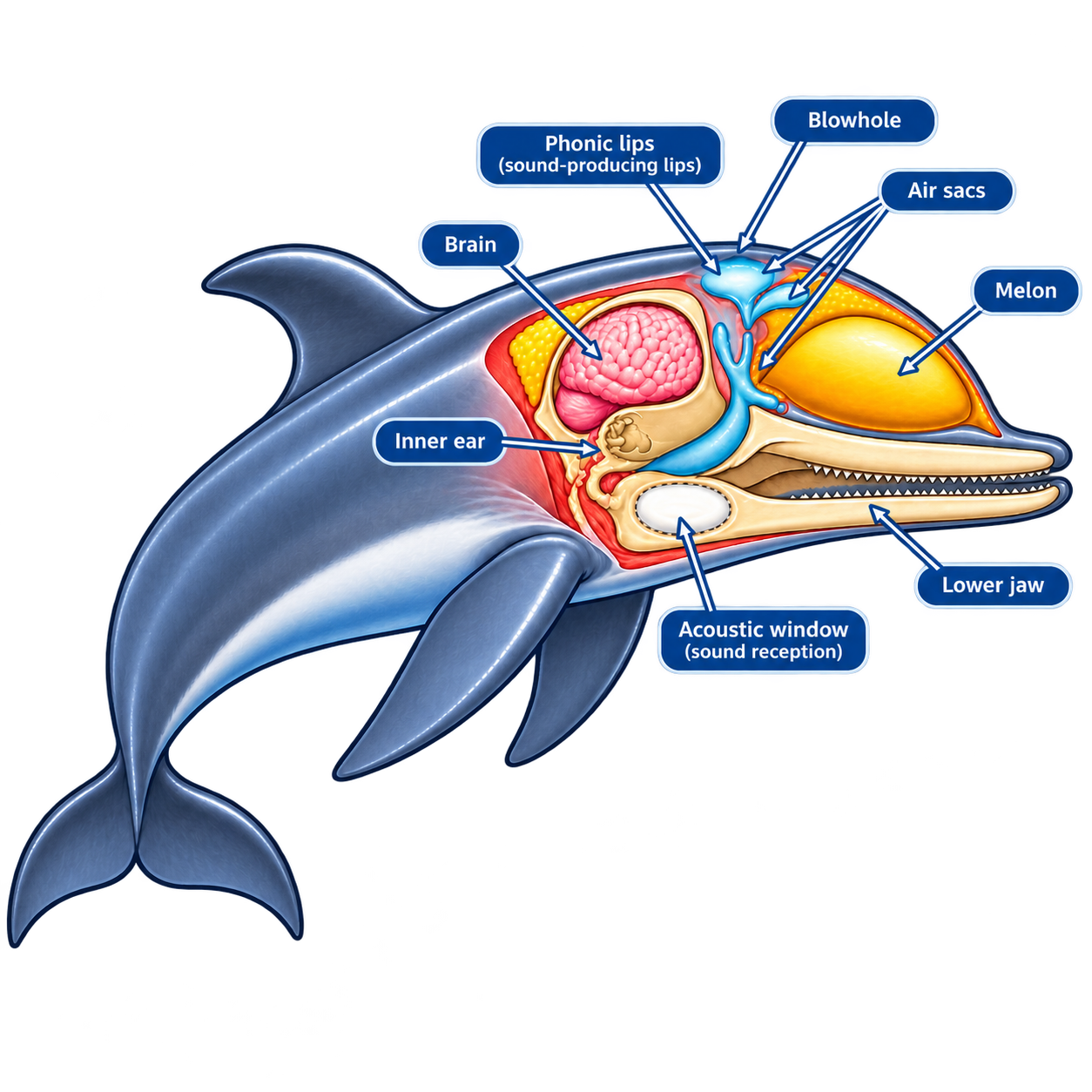
Dolphins don’t have vocal cords. So how do they produce sound?
Echolocation - Seeing with Sound
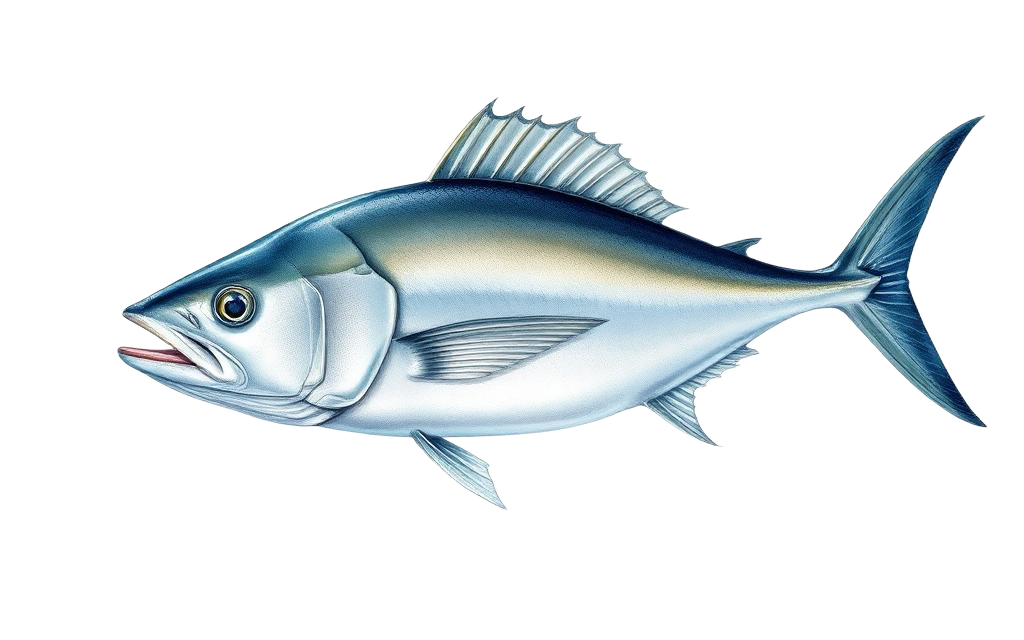
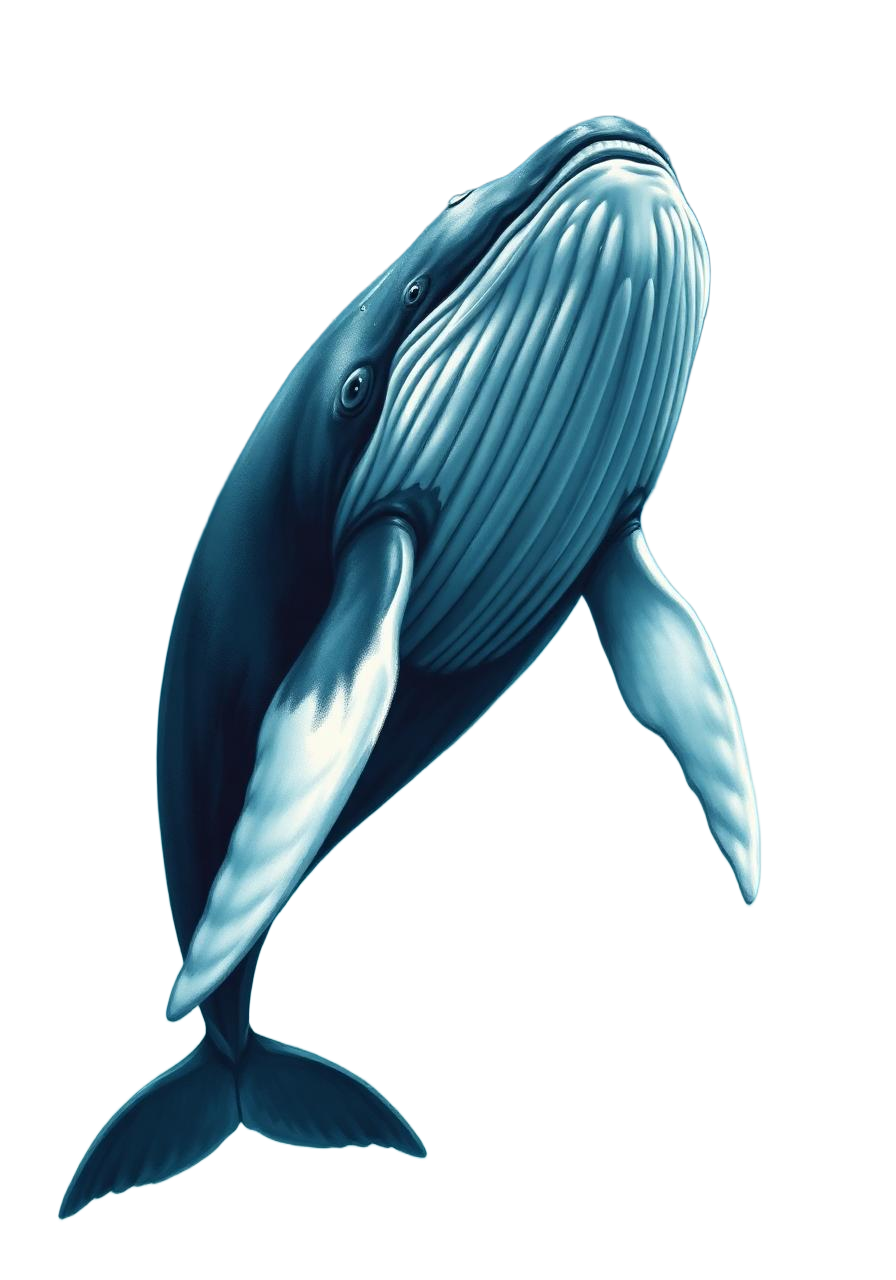
Baleen whales, including the fin whale found in the Mediterranean, are known for their low-frequency vocalizations, which can travel over vast distances. The best-known singer among them is the humpback whale, famous for its complex, structured “songs,” which can last for tens of minutes and consist of repeating sequences of sounds.
Want to learn more about whale songs?
What Happens When Human-Made Noise Enters the Picture?
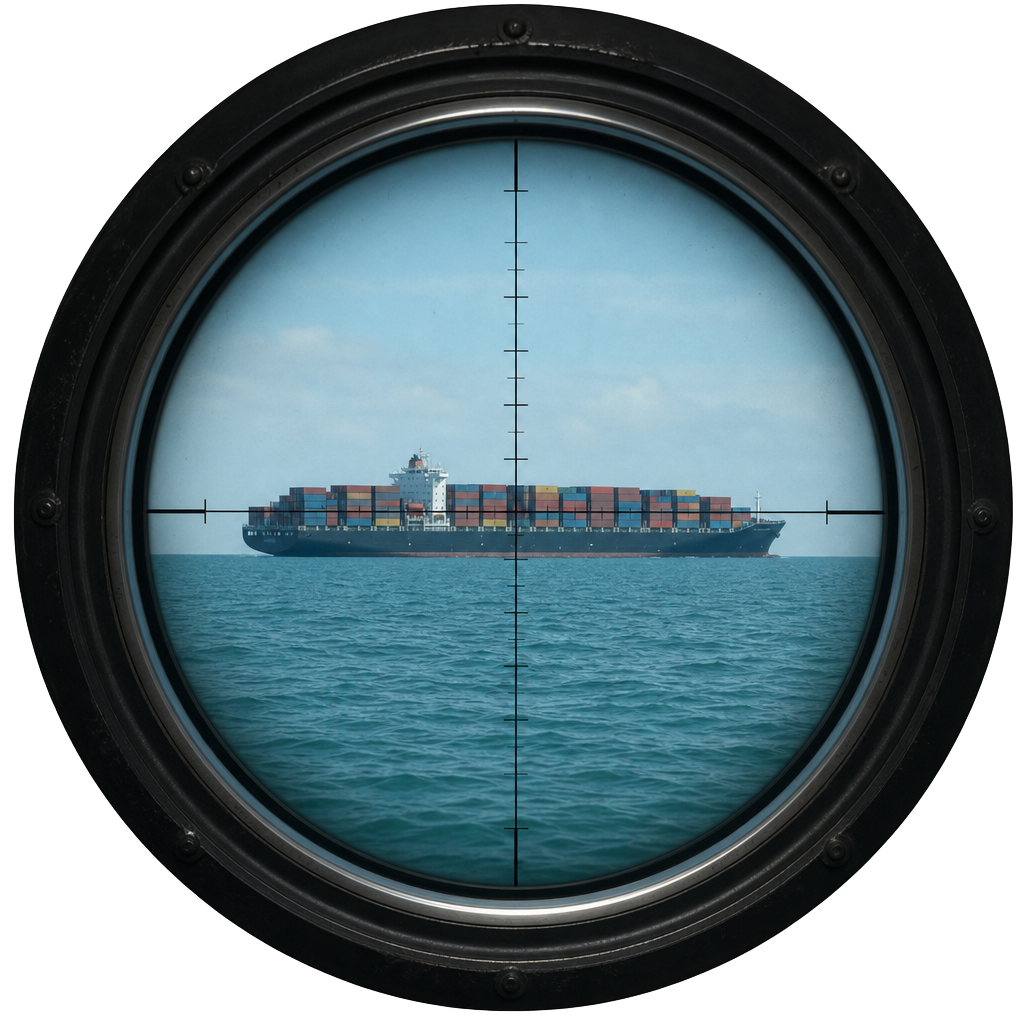
But wait - what exactly is noise pollution? What turns a sound into noise? Underwater noise is any type of sound wave or pressure fluctuation in the water, generated by human or natural activity and transmitted through the marine environment.
What Kind of Noise Is It - Natural or Human-Made?
Drag each noise source into the matching column
 Earthquakes
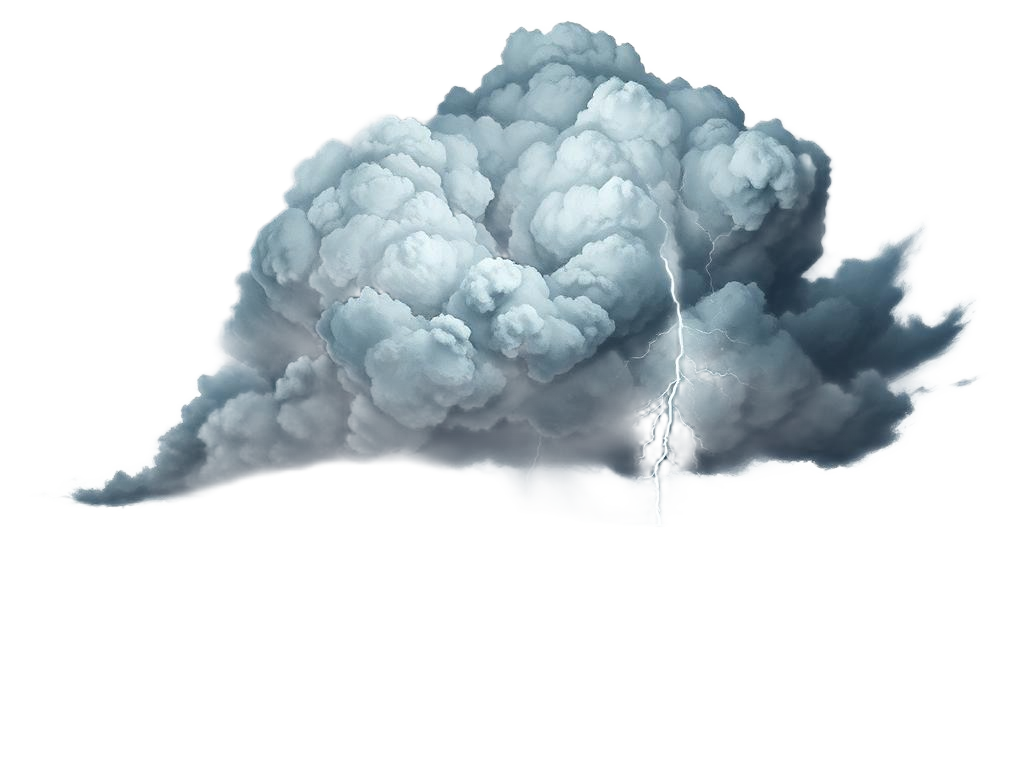 Storms
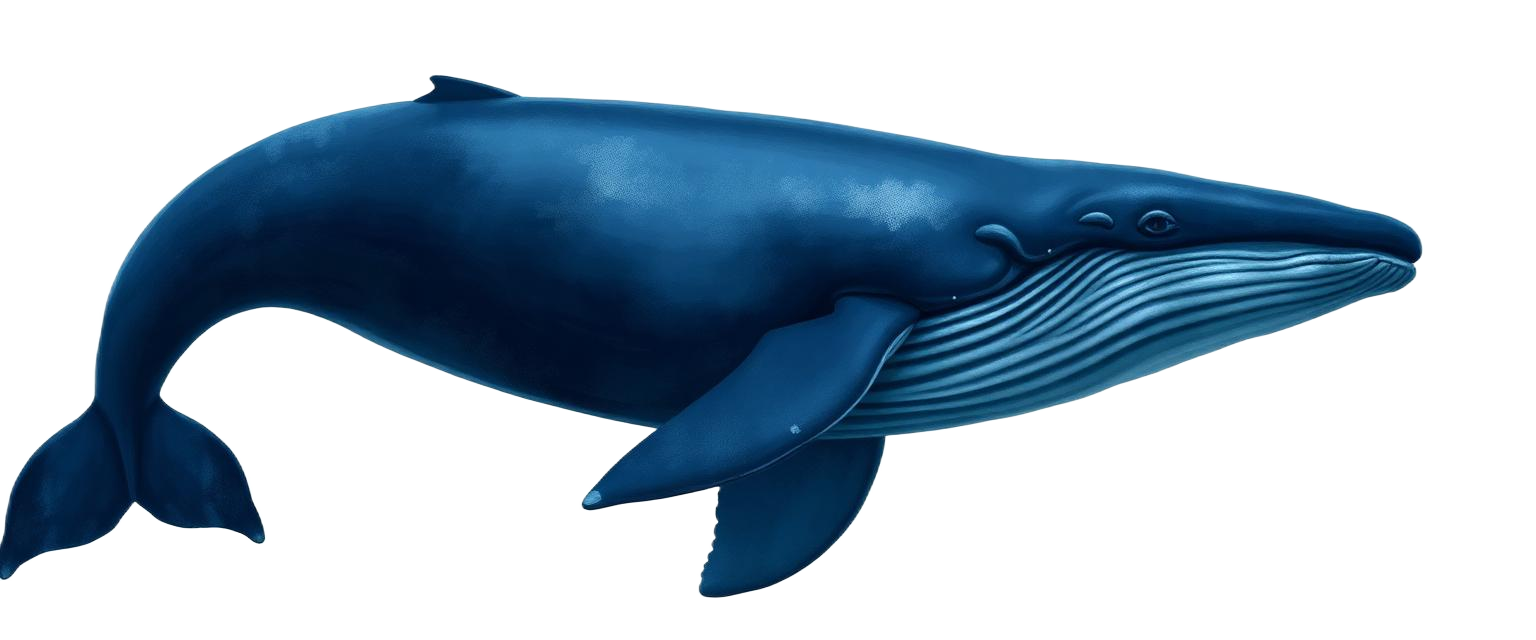 Whale song
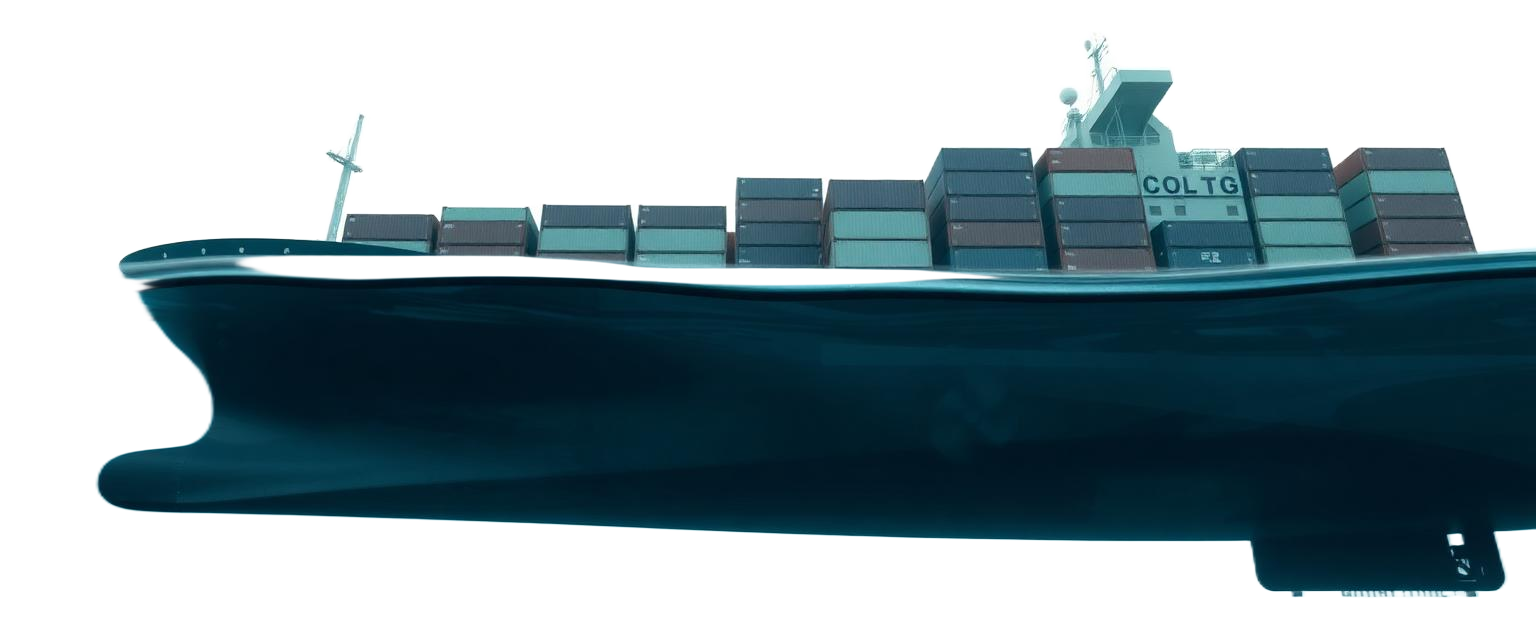 Commercial ships
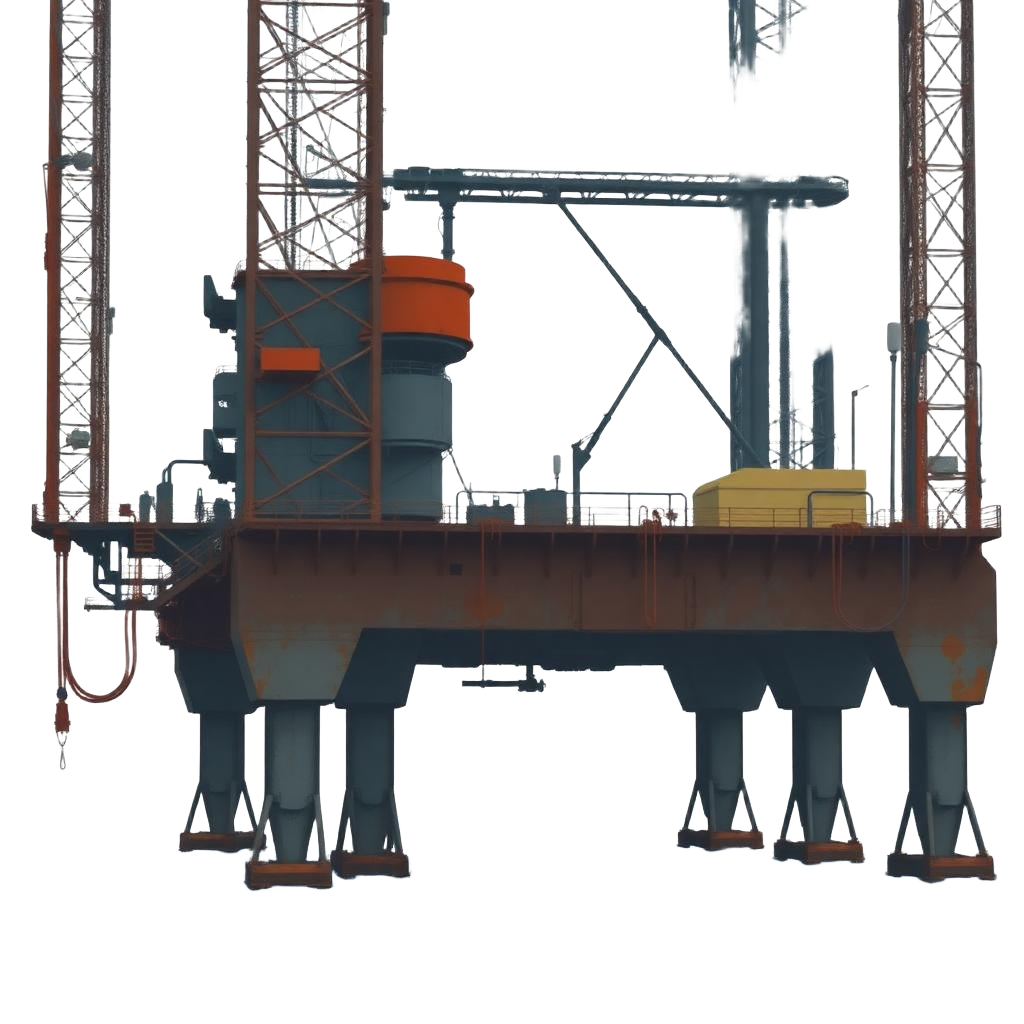 Oil and gas drilling
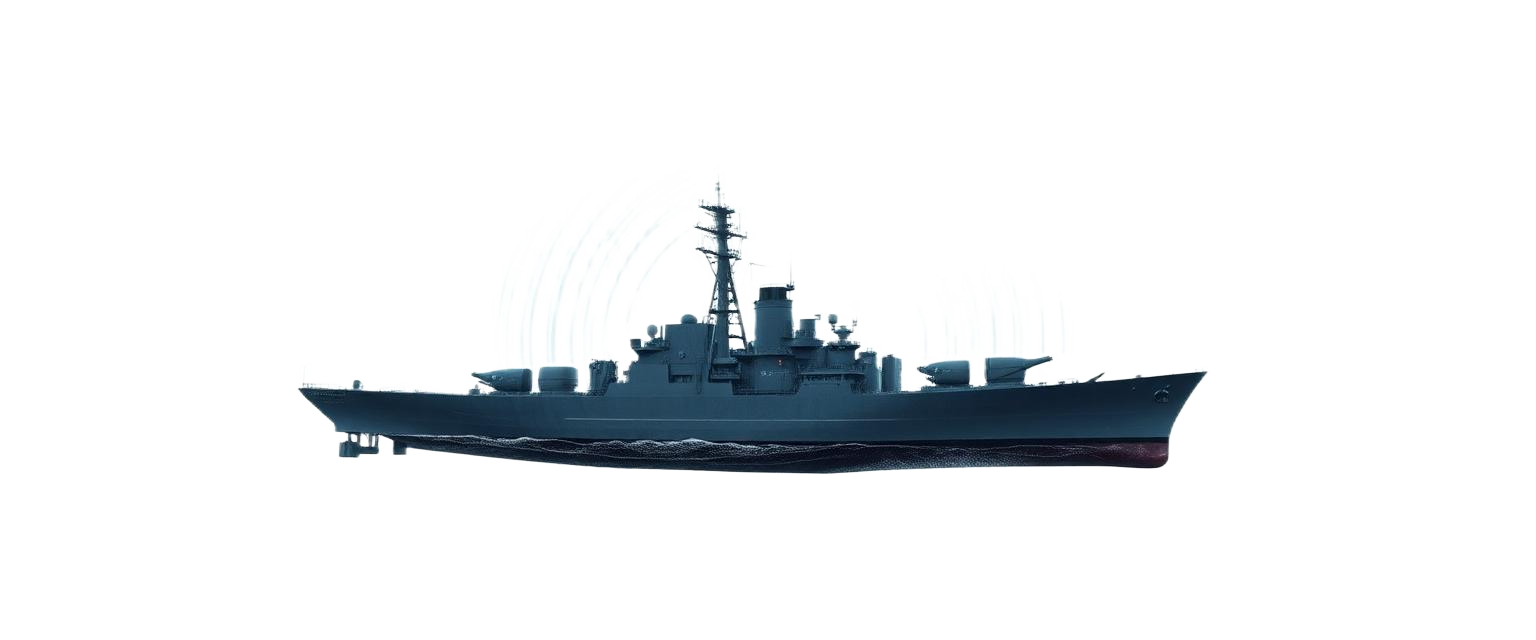 Military sonar
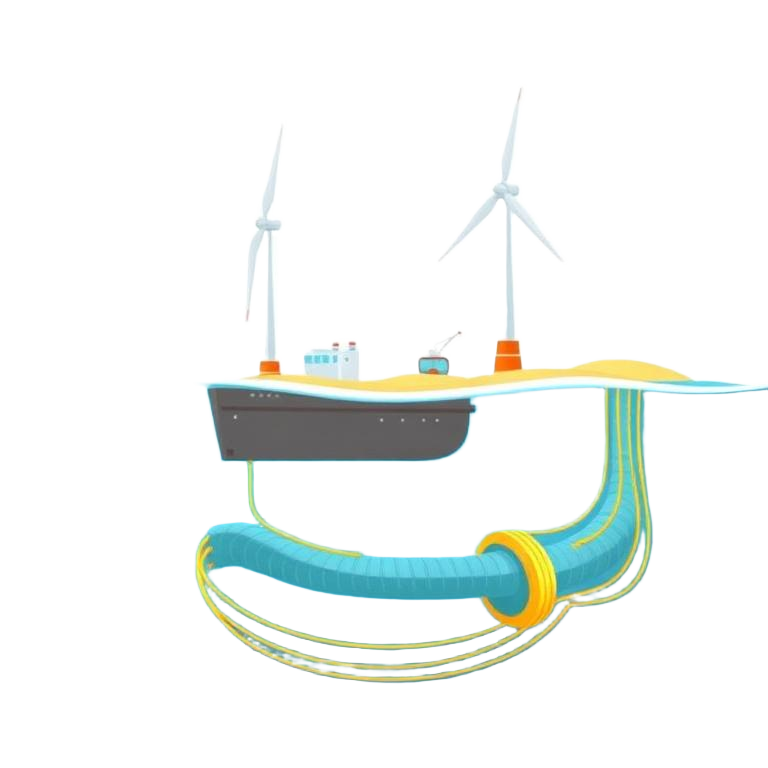 Marine infrastructure
Noise is measured in decibels, and its characteristics - intensity, frequency, and duration - determine how harmful it may be to the marine environment.
Move the slider to see how noise levels affect the animals
A quiet environment
At low levels, marine mammals hear each other well, navigate their surroundings and communicate undisturbed.
So how much noise does human activity generate? Imagine living inside a construction site…
Studies show that underwater noise levels have increased dramatically over time, forcing animals in many parts of the world to live in increasingly noisy environments.
Want to know what’s happening here in the Mediterranean? Click to find out.
Imagine talking to a friend when suddenly an airplane passes overhead and you can no longer hear each other. In much the same way, human-generated noise can overpower the frequencies marine mammals use to communicate. Scientists call this phenomenon acoustic masking.
Try it yourself: turn up the ship noise and see whether you can still hear the dolphin.
The whistle is still clearly audible.
At This Depth, the Acoustic Environment Changes… The engine noise of large cargo ships and tankers can be heard loudly and clearly here.
Studies show that in areas with heavy shipping traffic, the distance over which blue whales can communicate with one another has decreased from thousands of kilometers to just a few dozen.
Noise stresses whales: Studies indicate a link between underwater noise and increased levels of stress hormones in whales.
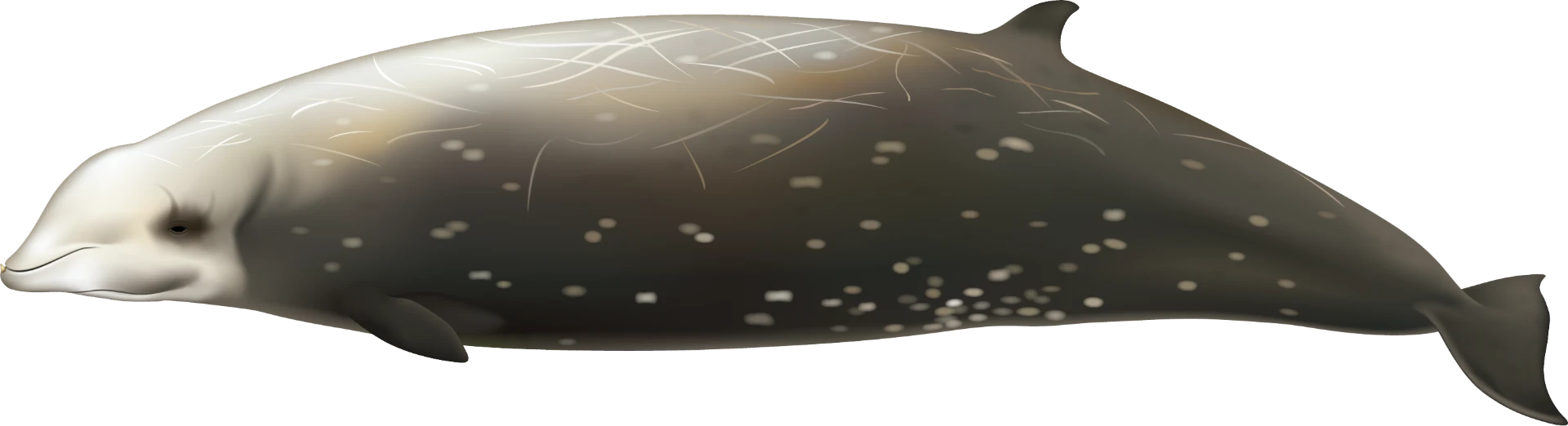
In some cases, the use of powerful military sonar has been linked to mass strandings of beaked whales - likely due to a strong behavioral response that may cause them to ascend too rapidly toward the surface.
The Twilight Zone
The light that remains here is only a distant memory of the surface.
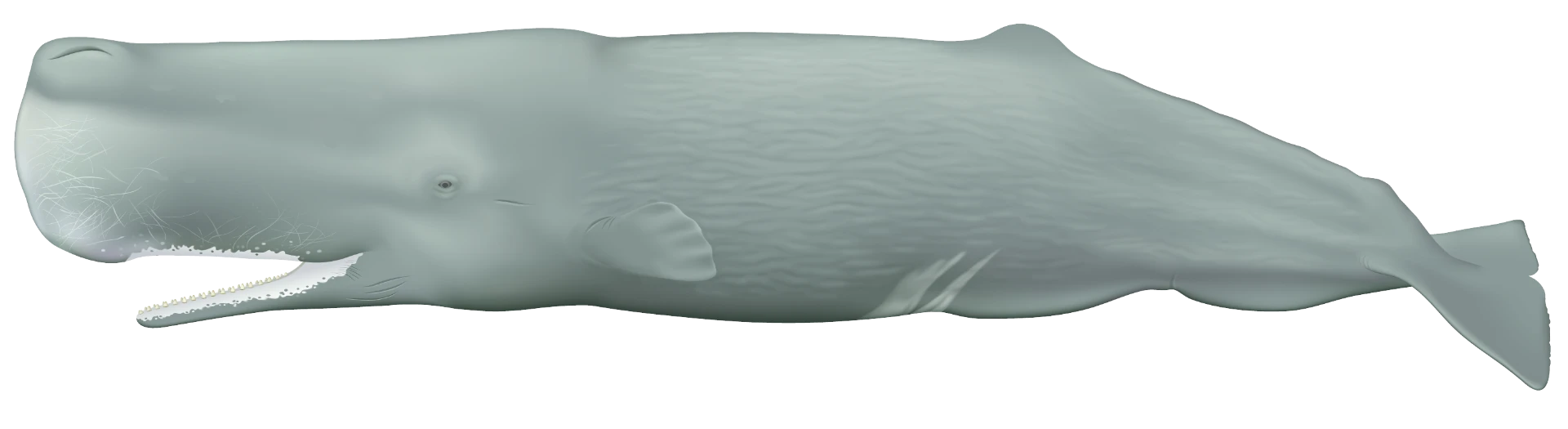
Unlike humpback whales, sperm whales communicate using sequences of clicks known as codas. Different sperm whale clans around the world have their own repertoires – dozens of different codas used for communication, some of which also help identify members of their group. Researchers have discovered that different sperm whale clans can live in close proximity without socially interacting with one another. In the Mediterranean, a distinct sperm whale clan does not mix with sperm whales in the Atlantic Ocean and has its own characteristic coda repertoire. Mediterranean sperm whales are endangered, with only a few hundred individuals remaining.
At This Depth, Sound Becomes the Only Way Marine Animals Can “See”
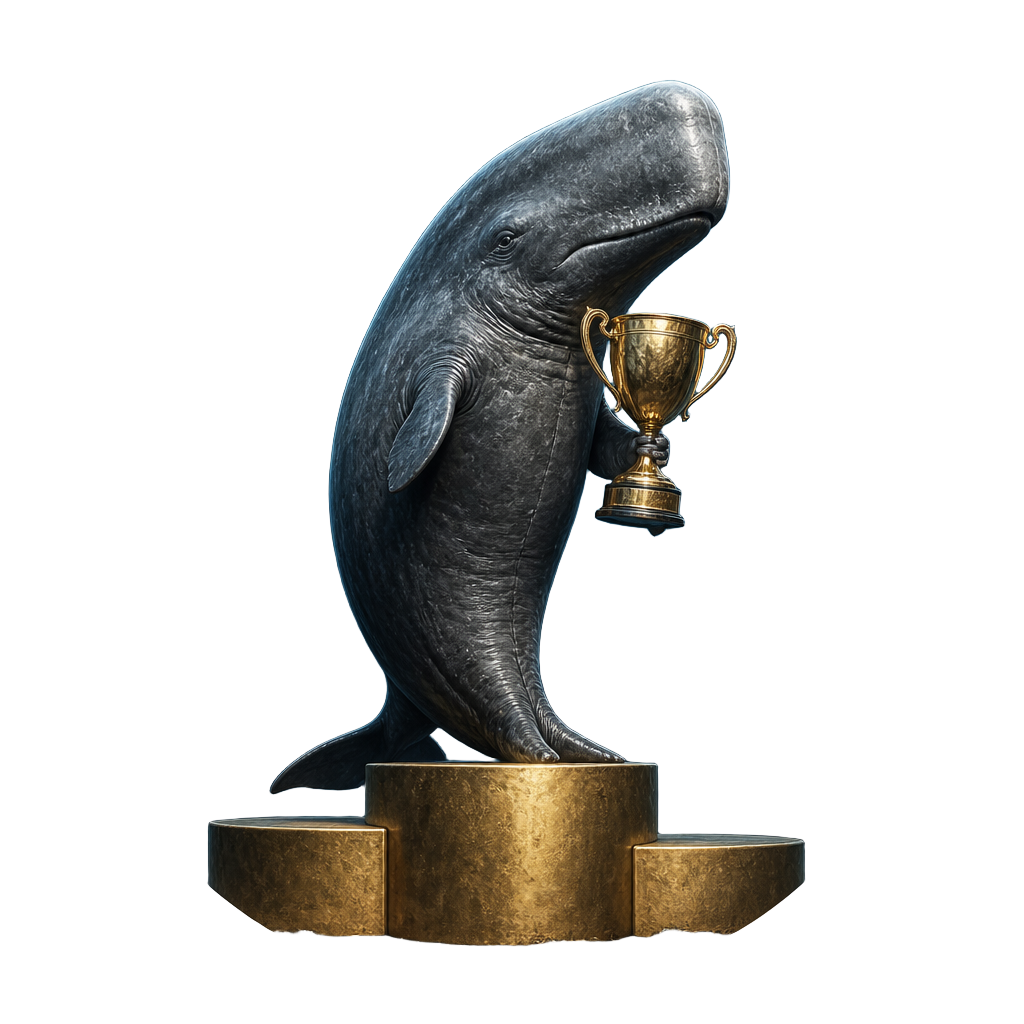
One of the Most Powerful Sounds in Nature
The sperm whale holds one of the most remarkable records in the animal kingdom: its echolocation clicks can reach approximately 230–236 decibels underwater. Using these powerful, highly directional clicks, it “scans” its surroundings and locates prey even in the total darkness of the deep sea. As it approaches prey such as squid, it switches to a faster sequence of clicks – at lower intensity – providing increasingly precise information as it closes in for the capture.
How Can We Reduce Noise in the Ocean?
Growing awareness of the importance of the marine soundscape has led to noise-reduction initiatives around the world - from slowing ships in sensitive areas and routing vessels away from critical habitats to regulating sonar use and seismic surveys near vulnerable populations.
Here in the Mediterranean and along Israel’s coastline, we can contribute too. Reporting dolphin and whale sightings helps researchers identify important habitats and activity areas, while supporting research and responsible marine policies can help create a quieter sea – for us, and especially for those for whom sound is their entire world.
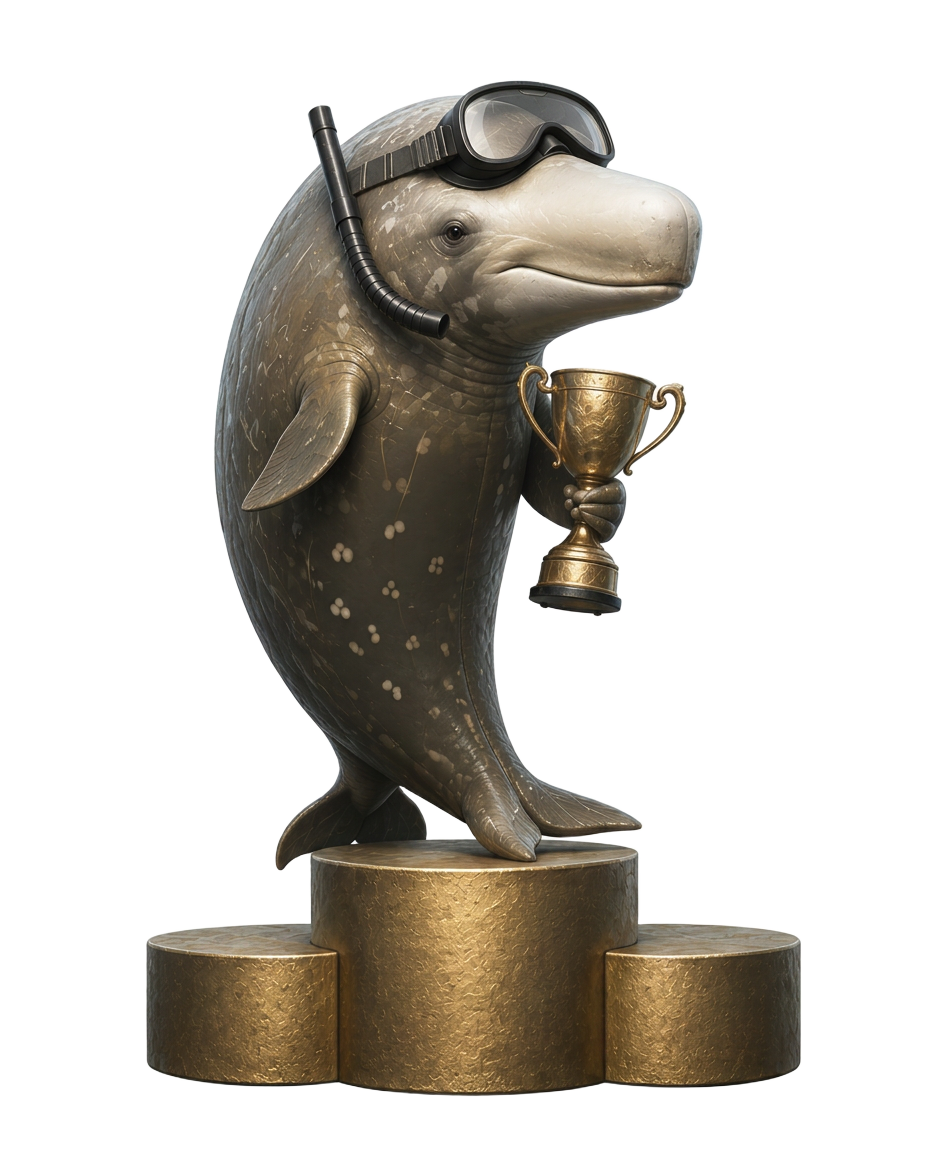
The Diving Champion of the Mammal World
Cuvier’s beaked whale (Ziphius cavirostris) is one of nature’s most extraordinary divers. One recorded dive reached a depth of 2,992 meters – almost three kilometers beneath the surface. The species has also been documented in the deep waters off Israel, including through visual and acoustic surveys conducted by researchers from the Morris Kahn Marine Research Station at the University of Haifa’s Charney School of Marine Sciences.
Did you know? The skull of Cuvier’s beaked whale contains some of the densest bone found in nature! Want to see it for yourself? Visit the Dolphin and Sea Center in Ashdod.Did You Know? During the Cold War (1947–1991), the United States and the Soviet Union conducted underwater nuclear tests. The sound waves generated by these explosions were so powerful that they were detected by hydrophones – underwater microphones – across the globe, traveling tens of thousands of kilometers through the world’s oceans.
This World Needs Us
What can governments and industries do?
- Slow down ships
- Reroute shipping lanes
- Carry out acoustic monitoring
- Limit noisy surveys
- Plan marine works around sensitive seasons
What can the public do?
- Report sightings
- Support research
- Learn and share
- Join Delphis and take part in its activities and campaigns